
I had no idea what the difference was, so I did what I always do and asked around. I posted the question in r/SalesOperations, and I asked a handful of people I know in real life. Most people said some version of "they're pretty much the same thing," but the reactions depended on who I was talking to. When I said I thought they were the same, sales enablement people looked at me like I was crazy. When I said I thought they were different, the CROs looked at me like I was crazy. The Reddit answer was much more specific, which I'll get to below. Sales enablement vs revenue enablement vs product marketing turns out to be a confusing comparison even for people who work right next to all three.
This post is for anyone new to this market who typed the same question into Google. I'm not an enablement expert, just a founder who had to figure it out, and I'll tell you where I still think the lines are blurry.
TL;DR
The sales enablement vs revenue enablement question comes down to scope. What is Sales Enablement? Sales enablement is the work of giving salespeople the content, training, and tools they need to win deals. What is Revenue Enablement? Revenue enablement does the same thing for every customer-facing team, so it covers sales, customer success, and marketing across the whole customer lifecycle instead of stopping at the signature. What is Product Marketing? Product marketing is a marketing function that decides how a product is positioned and launched, and it produces much of the raw material that enablement teams then package for reps. Sales enablement software and revenue enablement platforms are the tools that store, deliver, and measure that material. The terms aren't standardized, so the same job can carry any of the three names.

What is sales enablement?
Sales enablement is the function that helps sellers close more deals by making sure they have the right content, training, and tools at the right moment. The questions it answers sound like this. What should a rep send a CFO after a first call? How do new hires get to their first deal faster? Which competitor slide is out of date and still getting used?
Typical output looks like onboarding programs, call scripts, battlecards, case studies, pitch decks, and coaching. The people doing it usually sit close to sales leadership, and they get judged on ramp time for new reps, win rate, and how many reps actually use the material that was built for them.
That last metric surprised me a little. Apparently the hard part isn't making the content, it's getting reps to find and use it, which is the reason the software category exists. Even usage isn't the real test, though. The better question is whether reps actually pitched the thing, which I get into in how to measure product marketing success.
What is sales enablement software?
Sales enablement software is a system that holds a company's sales content, recommends the right piece at the right time, trains reps, and reports on what is helping deals move. You'll also see it called a sales enablement platform, and the two terms seem to be used interchangeably.
From what I could find, a sales enablement platform usually bundles a few jobs:
- A searchable library of decks, one-pagers, and case studies that lives inside the CRM or the rep's email
- Training and coaching, such as practice pitches that a manager can score
- Content analytics, so you can see which assets buyers opened and which ones deals actually used
- Guided selling, where the tool suggests a play or document based on the stage of the deal
Highspot, Seismic, and Showpad are the names that come up over and over. (If you're comparing options, here's my list of the top AI sales enablement tools for 2027.) The category is also consolidating. Seismic and Highspot announced a merger this year, and Showpad merged with Bigtincan in late 2025, so if you're shopping, check who owns what before you sign a multi-year contract.
Pricing is usually custom and quoted per seat. Third-party comparison sites put mid-market deals in the tens of thousands of dollars per year and large enterprise rollouts well above that, though those are estimates and not list prices (and most of those sites are written by vendors, so take them with salt).
What is revenue enablement?
Revenue enablement is the broader version of sales enablement, and it's the main thing people mean when they compare sales enablement vs revenue enablement. Instead of equipping only the sales team, it equips every team that touches revenue: sales, customer success, account management, marketing, and sometimes partners and support. The goal moves from "win the deal" to "win the deal, keep the customer, and grow the account."
The reason the term showed up makes sense once you see it. A lot of revenue in a software company comes after the first contract, through renewals, upsells, and referrals. If enablement stops at closed-won, the customer success manager who owns the renewal is working from a different playbook, different messaging, and often different data than the rep who sold the deal. Revenue enablement tries to put everyone on one set of materials and one definition of the customer.
Industry analysts have reportedly been nudging sales leaders toward this model, although most of what I read on it came from vendors who sell the software. That might explain the CRO reaction I got, since revenue enablement is the version that tends to live in their org. So my honest read on sales enablement vs revenue enablement is that it's scope and org chart. Sales enablement reports into sales. Revenue enablement tends to report to a chief revenue officer, which means it can ask sales, marketing, and customer success to agree on something.
What is a revenue enablement platform?
A revenue enablement platform is where the sales enablement vs revenue enablement difference shows up in software. It is sales enablement software that has been extended to cover the full customer lifecycle. It does everything a sales enablement platform does, and then adds support for customer success, renewals, and buyer-facing experiences such as shared deal rooms where the seller and the buyer work from the same page.
Some vendors appear to have relabeled a sales enablement product as a revenue enablement platform without changing much underneath. When you weigh sales enablement vs revenue enablement platforms, a fair test is this: can a customer success manager use the tool for a renewal conversation, and can you see content performance by lifecycle stage and not only by sales stage? If the answer is no, you're probably looking at sales enablement software with a new label.
What is product marketing?
Product marketing is the part of marketing that owns how a product is positioned, who it is for, and how it gets launched. A product marketing manager (PMM) sits between product, sales, and marketing. They decide what the company says the product is, which customer segment it's aimed at, how it differs from competitors, and what the launch plan looks like. If you're looking at tooling for that side, here are the best AI product marketing tools for 2027.
This is where the Reddit answer helped most. One commenter in r/SalesOperations put it as a split between what to say and who gets it said. Product marketing owns the positioning, messaging, and market strategy, meaning what to say and to whom. Sales enablement owns getting reps to deliver it, through training, playbooks, and the tools they lean on in a live deal. Product marketing answers why the market should care, and sales enablement answers how a rep wins the deal in front of them today. You can read the full r/SalesOperations thread on product marketing vs sales enablement yourself.
The same commenter said the split blurs at smaller companies where one person does both, and that this is fine early on. The trouble starts once a team gets past 15 to 20 reps with nobody dedicated to enablement. Reps start building their own decks from stale positioning, and the messaging drifts deal by deal.
I'll admit that explanation still left me thinking the two were close cousins. A PMM writes the messaging and the battlecard. An enablement manager takes that battlecard, adds a training session, loads it into the platform, and checks whether reps use it. The overlap is real, and it's probably why so many people I asked said "they're pretty much the same."
Sales enablement vs revenue enablement vs product marketing: how they compare
Here is the sales enablement vs revenue enablement vs product marketing comparison in one table, built from the definitions above.
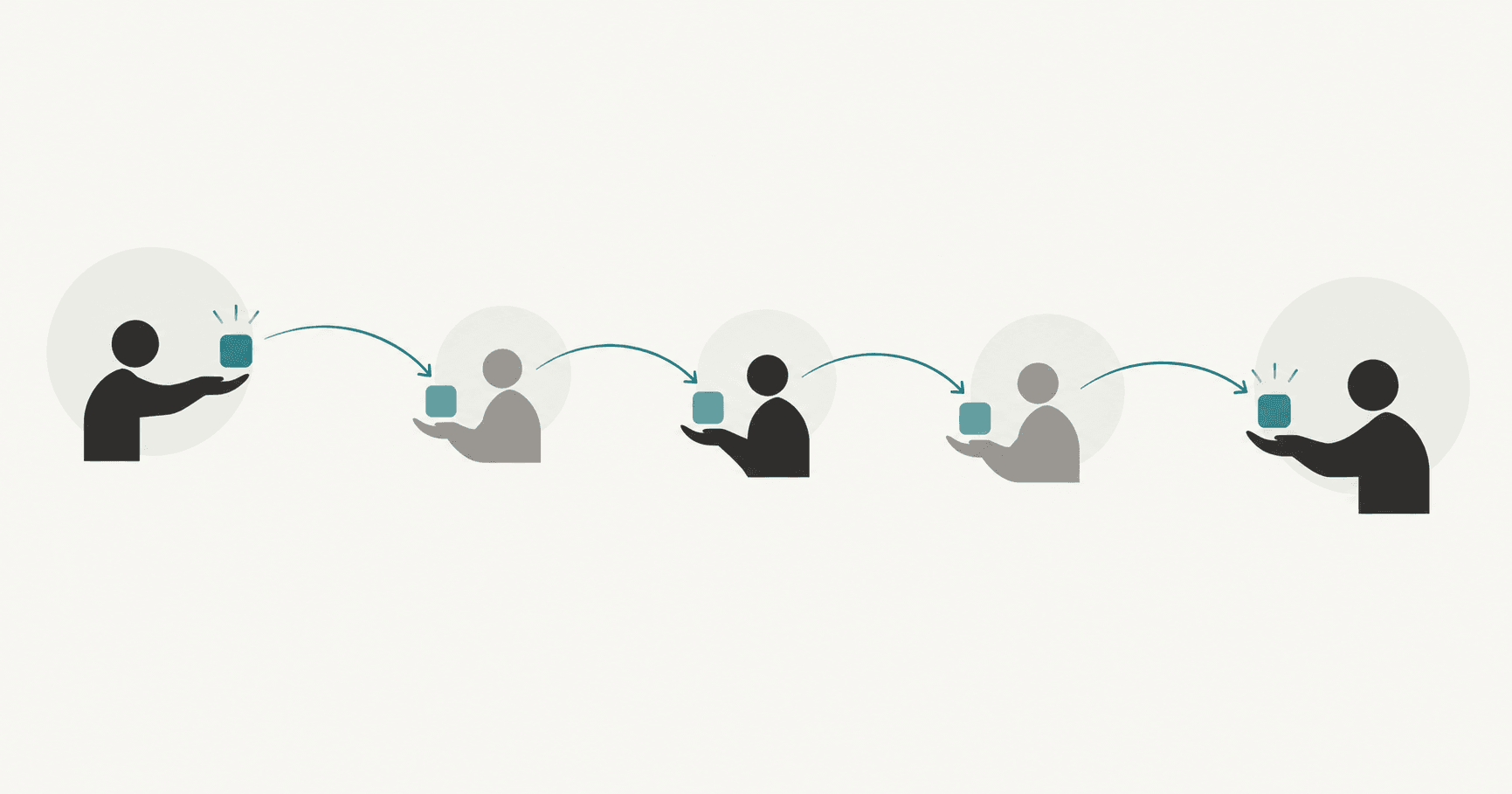
If you only remember one line about sales enablement vs revenue enablement vs product marketing: product marketing creates the story, sales enablement teaches reps to tell it, and revenue enablement makes sure every team that talks to a customer is telling the same one.
How will sales enablement tools evolve with AI?
Sales enablement tools are changing quickly because the slowest parts of the job, tagging content, writing first drafts, finding the right asset, and scoring practice calls, are exactly what language models do well. This is my read on what's already happening and what looks likely next.
Content stops being something reps search for and is incredibly personalized
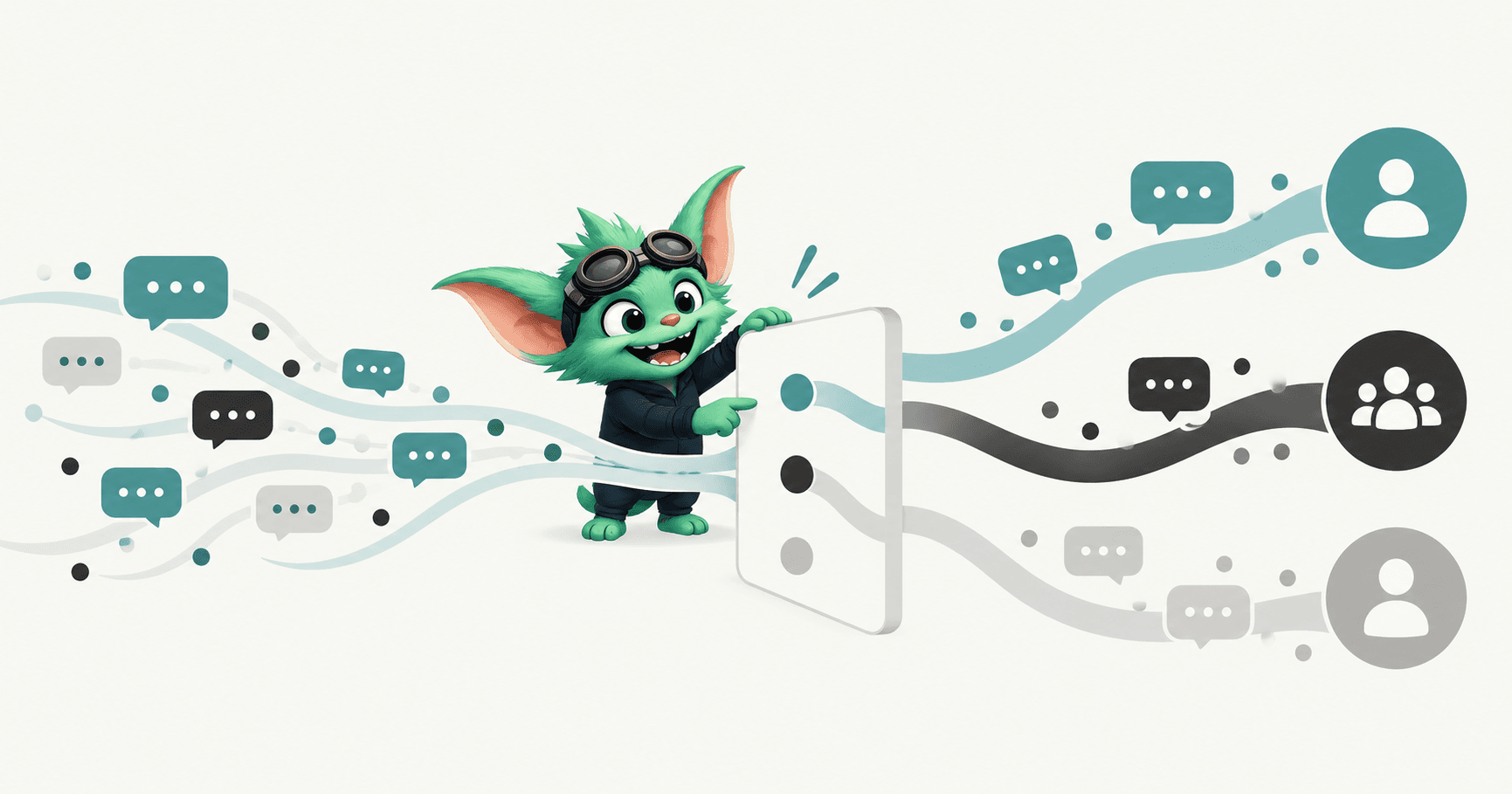
Most platforms now ship an AI assistant that drafts follow-up emails, builds a tailored deck from the library, and summarizes long documents. Seismic's assistant, Aura, is one example. The library matters less as a place to browse and more as the source material the AI draws from, which also means stale content becomes a bigger problem than before, because the AI will happily reuse it. That lines up with the Reddit comment about reps working from stale positioning. It also becomes personalized to every single situation. For example, want a 1 pager of a feature? Well, you will get a 1 pager highlighting a customer conversation from a similar customer just down the street.
Tracked to actual revenue
A manager used to talk to their reps to find out what was working. With AI, we will get much more immediate feedback that's tied to outcomes. Did it close revenue? Then the best practices will be disseminated in near real-time to other reps. This will cut down on the lag time from months to minutes. It also explains why so many teams find that shipping more features hasn't moved adoption: nobody was tracking whether reps sold them.
Enablement gets closer to what customers actually say
This is the part I care about most. Today, a lot of enablement content is built from what leadership believes buyers want. AI can read the calls and tell you what buyers asked for, what objections came up, and which features kept getting mentioned in lost deals. That turns enablement into a feedback loop and not only a broadcast channel.
No longer gatekept
"Can I have 1 pager?" keeps every product marketer and sales enablement specialist up at night. No longer. Ultra personalized, to the rep and to the situation, content will be created immediately.
Version Control is an impossible battle that won't be fought
With AI, content can be created so quickly that it's impossible to keep up with the latest and greatest sales enablement material using our version control mental model. Instead content will be built from fluid blocks with the best performing ones winning the day. This gets even harder when AI speeds up engineering too, which I wrote about in sales enablement strategy when AI speeds up feature shipping.
The platform boundary blurs
The sales enablement vs revenue enablement line in software gets thinner as well. If an assistant can draft, coach, and summarize, the line between a sales enablement platform, a conversation intelligence tool, and a CRM gets thinner every quarter. I'd expect more acquisitions, which fits the consolidation already underway, and I'd expect buyers to start asking whether they need a dedicated platform at all or whether their CRM plus an AI layer is enough.
Where all three have the same blind spot
Most sales enablement vs revenue enablement explanations skip a gap that stood out to me as an outsider. Sales enablement, revenue enablement, and product marketing all push information outward, from the company to the customer. Very little of that machinery pulls information back in, from the customer to the product team, in a way that changes what gets built.
Picture a rep hearing "we would buy if you had SSO" on a Tuesday call. Enablement has no place for it. Product marketing may hear about it in a win-loss review three months later. The product team might never see it. And if the feature ships, the prospect who asked for it usually finds out by accident, if at all. That is the problem we're working on at Arkweaver, where we pull feature requests out of sales calls, tie them to the deals they affect, and tell the original requester when the thing ships. If you want the longer version, I wrote about how to capture feature requests from sales calls and how to notify prospects when a feature they asked for ships. For a real example, here's how OhMD turned 20+ new features a month into revenue, or you can see how Arkweaver works.
You don't need a new category to fix this. You do need someone to own it, and whichever of the three teams you have is a reasonable place to start.
Which one does your company need first?
I don't have a firm rule here, so this is what I pieced together from the Reddit answer and the vendor material. When people ask about sales enablement vs revenue enablement, the question underneath is usually timing. If you have a handful of reps and nobody has written down how you sell, product marketing comes first, because without a clear story there's nothing to enable. The Reddit commenter's warning sign for adding dedicated sales enablement was somewhere around 15 to 20 reps. Revenue enablement seems to make sense once customer success, renewals, and expansion revenue are big enough to need the same playbook as new business.
Whichever side of sales enablement vs revenue enablement you land on, I wouldn't buy a platform before any of that is true. A platform stores and delivers content. It can't decide what the content should say.

FAQ
What is the difference in sales enablement vs revenue enablement?
In the sales enablement vs revenue enablement question, sales enablement equips salespeople to win deals. Revenue enablement equips every customer-facing team, including customer success and marketing, across the full customer lifecycle. Sales enablement is typically one component inside a revenue enablement program.
Is product marketing the same as sales enablement?
No. Beyond the sales enablement vs revenue enablement split, product marketing is its own function. It owns positioning, messaging, and launches, and it sits in marketing. Sales enablement owns training, content delivery, and rep readiness, and it sits close to sales. They overlap on assets like battlecards, and small companies often have one person doing both.
What is a sales enablement platform?
A sales enablement platform is software that stores sales content, recommends it at the right moment, trains reps, and shows which assets influence deals. Common examples include Highspot, Seismic, and Showpad. It usually connects to the CRM so reps can find content without leaving their workflow.
What is a revenue enablement platform?
A revenue enablement platform extends sales enablement software to cover the full customer lifecycle, including customer success and renewals. It usually adds shared buyer spaces and lifecycle-stage reporting. Some vendors use the label for products that are still mostly sales enablement, so check what the tool does after the deal closes.
How is AI changing sales enablement tools?
AI is automating content tagging, drafting emails and decks, summarizing documents, and scoring sales calls at a scale managers cannot match. The next step is connecting enablement to what buyers actually say on calls, so content and product decisions follow real demand. The risk is that AI reuses outdated content and unaudited scoring rubrics.
Sources
- r/SalesOperations: Product marketing vs sales enablement
- Allego: Sales enablement vs. revenue enablement
- Sales Enablement Collective: Sales enablement vs product marketing
- ATD: The case for revenue enablement
- Showpad: AI sales enablement platforms 2026 buyer's guide
- Dock: Highspot vs. Seismic vs. Showpad comparison