What is the Joe DiMaggio Theory of Product Marketing?
Every feature is the most important feature to 1 person.
That's the whole theory. Here's where it comes from, and why I think it's the job for product marketing and voice of customer (VoC) teams right now.
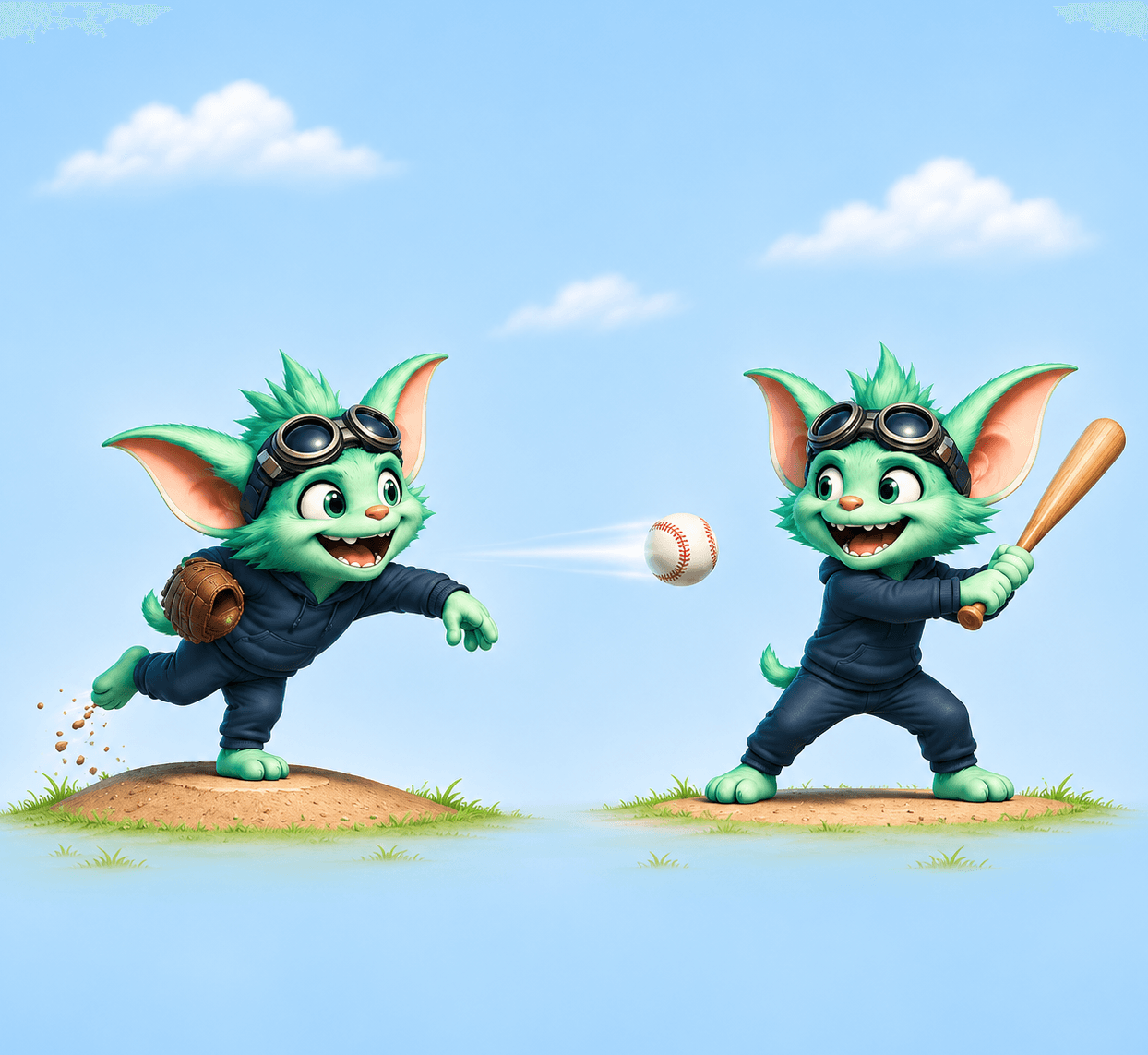
Why did Joe DiMaggio play so hard in a game that didn't matter?
Joe DiMaggio was a Hall of Fame New York Yankee, but like every player, the long baseball season wore him down.
After one meaningless game in September toward the end of his career, the reporters, who could see he was exhausted, asked him:
"Hey Joe, this game didn't really matter. Why'd you play so hard?"
Joe DiMaggio replied:
"Because there might have been somebody in the stands today who'd never seen me play before, and might never see me again."
For most of the stadium, that game was forgettable. For the one person seeing him for the first time, it was the only game that mattered.
What does that have to do with feature launches?
Just because we can build anything doesn't mean we can just throw it out there.
AI made engineering 10x faster. Teams now ship more in a month than they used to ship in a quarter. And most of those launches feel like a September game. A new export. A settings toggle. An integration with a tool half your customers have never heard of. Easy to skip.
But every single one of those features is the most important feature to 1 customer. Somebody asked for it. Somebody's deal is stuck on it. Somebody is running a painful workaround every week because it didn't exist.
Do the customers who asked for a feature actually hear about it?
Almost never. We analyzed over 1,000 hours of sales calls for Launched But Never Sold. Two numbers stuck with me:
- 50% of launches were never mentioned by the sales team in the 90 days after they shipped.
- When a customer asked for a feature and had another call after it shipped, 90% of the time nobody told them.
That's the person in the stands showing up for the one game, and you sitting on the bench. I dig into the first number in why sales teams don't pitch half of new features, and the second in 90% of customers who asked for a feature weren't told it shipped.
Why do the small features matter so much?
Because the 1 person who cares about a small feature cares about it a lot. They told you what they needed. When you come back and say "we built it," you aren't sending a release note. You're proving you listened.
At Arkweaver, closing the loop, telling the person who asked that their feature shipped, has doubled the close rate. It's also the best excuse you'll ever have to reopen a ghosted deal.
What does this mean for product marketing and VoC teams?
Broadcasting doesn't cut it anymore. A launch blasted to everyone lands with no one. The job isn't to make every launch loud. It's to make every launch land with the 1 person it matters to.
- Tie every request to a person: Not "customers want better exports." Which customer, which call, which deal.
- Give small launches a big message for the right person: A minor feature still deserves a personal note to the account that asked.
- Tell the rep, not just the customer: The rep needs to know three of their accounts asked for this before the customer replies.
- Measure who heard about it: Not open rates. Did the person who asked find out?
None of this scales by hand when launches never stop. More on that in sales enablement strategy when AI speeds up feature shipping.
Where does Arkweaver fit?
Every single feature is the most important feature to 1 customer. It's Arkweaver's job to make sure that 1 customer knows about it.
Arkweaver finds who asked for what across your calls, connects it to what engineering shipped in Linear, Jira, or Shortcut, and tells the right rep and the right customer when it's live. If you want to see how it works, here's how to set up Close the Loop.
Play every game like somebody in the stands is seeing you for the first time. Somebody is.