
To find missed cross-sell opportunities in Gong or Fathom calls, look for calls where the customer described a need one of your other products solves and the rep didn't offer it. Set up trackers for those buying signals, compare them against what the rep pitched, and review the gaps by rep and account. Arkweaver does this from your Gong and Fathom recordings automatically: it connects each product to the deals and reps that need it and shows where it never came up.
A missed cross-sell is rarely a rep refusing to sell. It's a rep who doesn't know the other product well, or doesn't recognize the moment. In Arkweaver's analysis of 1,000+ hours of sales calls, reps mentioned only 3.2 to 3.4 features per call, so most of the portfolio never gets airtime (full study).
What counts as a missed cross-sell
Only count it as missed when the other product was credibly relevant to that buyer. Three signals usually mark the moment:
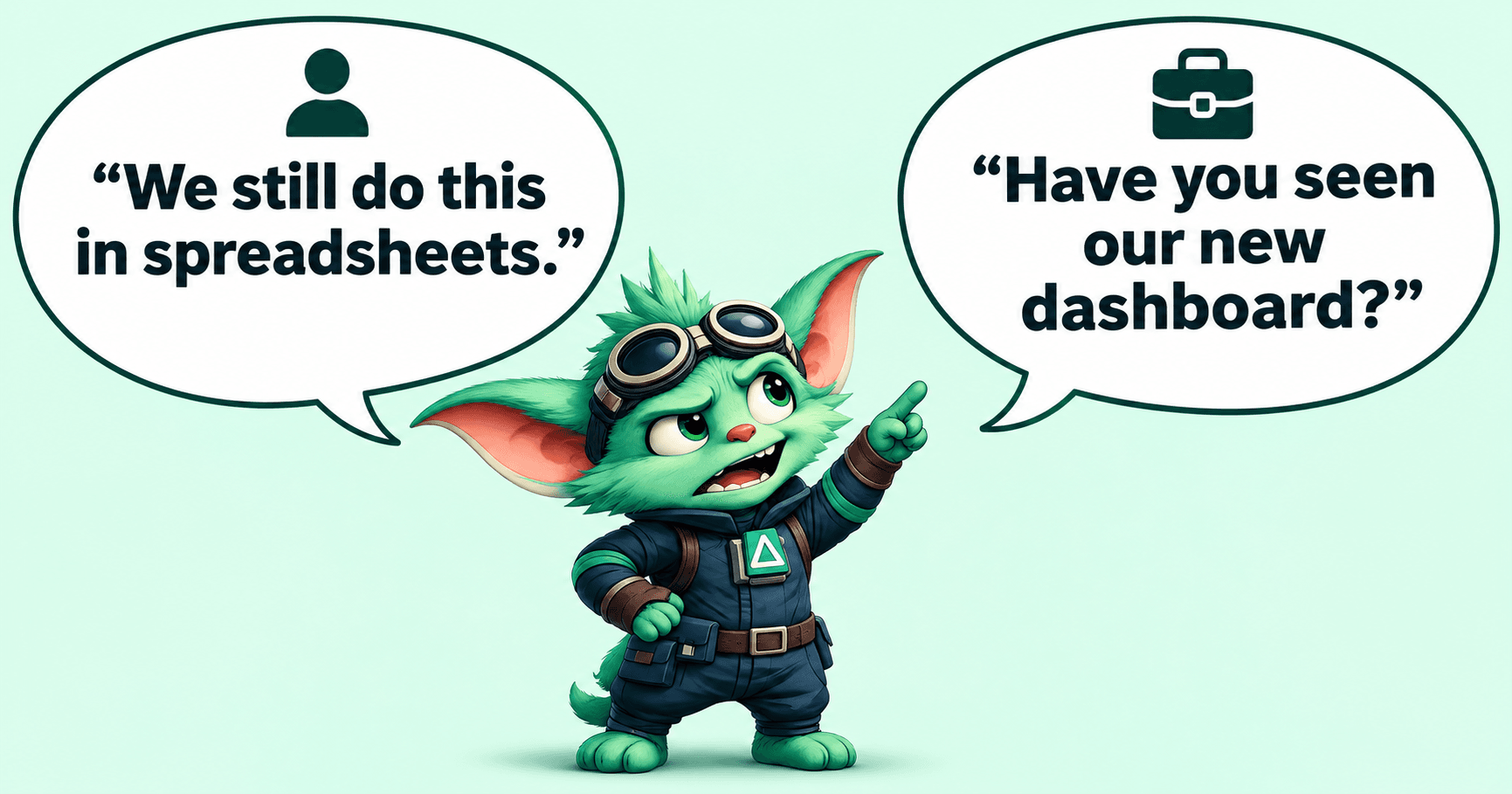
- An unmet need: the customer describes a problem another product solves ("we still do onboarding in spreadsheets").
- A workaround or competitor: they use a different tool for something you sell.
- A growth event: new team, new region, new acquisition, new budget.
A missed opportunity = the signal appeared + the relevant product wasn't offered on that call or the next one.
How to find missed cross-sells in Gong
- Write the signals per product. For each product, list the customer problems it solves, in customer words.
- Create customer-side AI trackers for the signals. In Gong's AI tracker builder, set the speaker to "Customer" and ask, for example: "Did the customer describe manual onboarding work or a need for onboarding software?"
- Create rep-side trackers for the pitch. A second tracker per product, speaker "Our rep": "Did the rep introduce Product X?"
- Find calls where the signal fired and the pitch didn't. Use the Trackers filter in Gong Search to compare the two trackers call by call.
- Group by rep and account. The reps with the most unanswered signals are your coaching list. The accounts are your pipeline list: hand them back to the account owner.
How to find missed cross-sells in Fathom
- Create a Tracker per signal. Fathom Trackers find moments by meaning. Describe the moment, choose external meetings, and set "external attendees" as the speaker.
- Create a Tracker for the pitch, with internal attendees as the speaker.
- Review matches and compare. Calls with the customer signal and no pitch are your list. Fathom Trackers start with calls recorded after you create them and need a Team plan.
What to do with the list
Where the manual approach breaks
- Two trackers per product per platform adds up fast, and Gong's question-based AI trackers consume credits.
- Matching signal calls to pitch calls usually ends up in a spreadsheet.
- The list goes stale the week you build it, and it reaches the rep after the moment has passed.
How Arkweaver does it
Arkweaver connects to Gong and Fathom, reads every call, and ties each product and feature to the reps and deals that need it. You see which reps pitched what, and which relevant products never came up. When a product fits an open deal, Arkweaver can alert that rep with the account attached. In Arkweaver's data, alerted reps were 8x more likely to pitch the feature.
See which products your reps aren't pitching.
FAQ
Can Gong find cross-sell opportunities on its own?
Gong can detect the signals and the pitches with trackers. Turning them into a list of missed opportunities, by rep and account, means matching the two, which takes manual work or a tool built on your Gong data.
Does Fathom track cross-sell signals?
Fathom Trackers can find the moments by meaning on Team plans, starting from calls recorded after the Tracker is created. Comparing signals to pitches is still manual.
How do I avoid flagging cross-sells that didn't make sense?
Only count calls where the other product was credibly relevant to that buyer: the right segment, use case or existing product. Otherwise you penalize reps for good judgment.
Is this different after an acquisition?
It's the same problem, larger. Reps know the products they came in with. The acquired products need explicit "when to bring it up" signals and a coverage view by rep. See why sales teams don't pitch half of new features.